Working With the Best Landscaping Services in Etobicoke
Elevate Your Outdoor Living Space: Tips From a Professional Landscaper
Transforming an outdoor space necessitates thoughtful planning and evaluation. A professional landscaper highlights the importance of reviewing the present outdoor features and identifying distinct spaces for multiple functions. Adding hardscape features can enhance the functionality of the space. Moreover, opting for the ideal plants and lighting solutions can greatly impact the general ambiance. Grasping these key components is vital. What measures should be followed to turn an outdoor vision into reality?
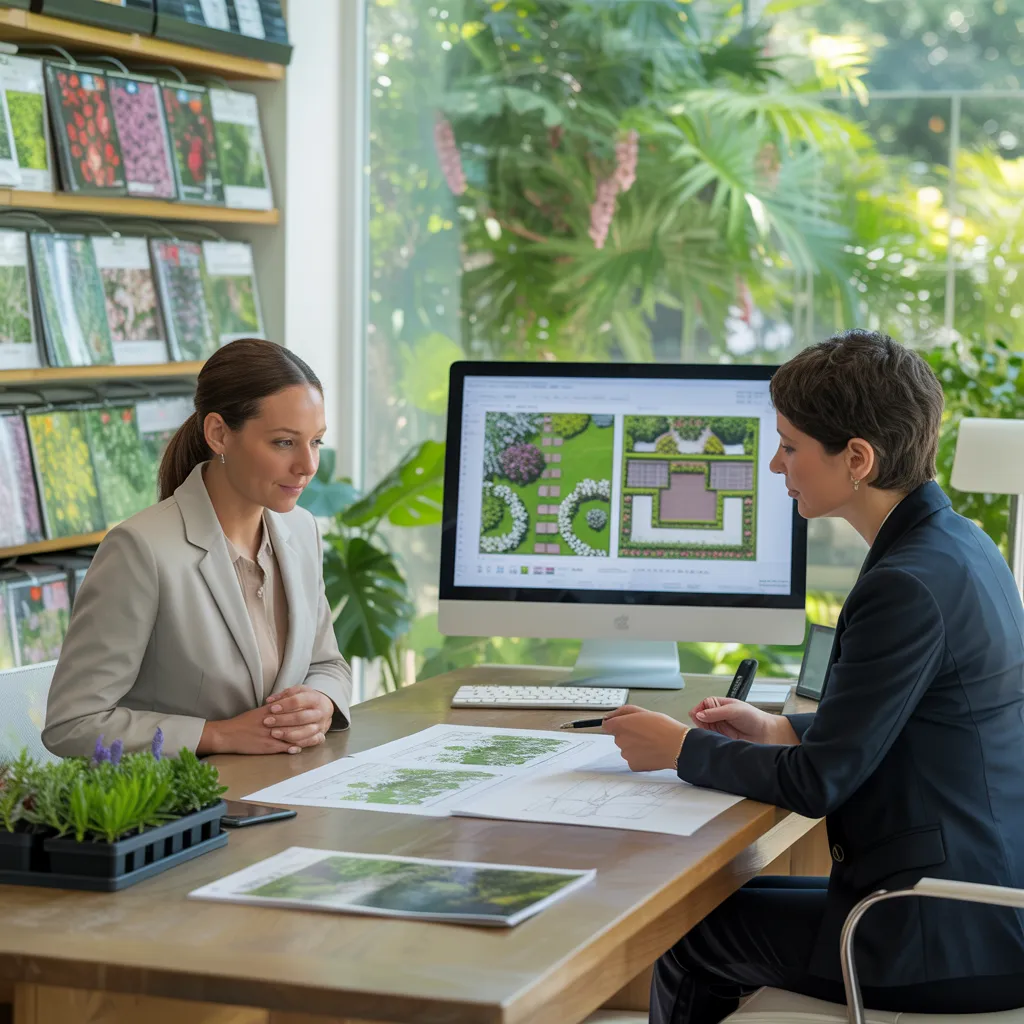
Assess Your Outdoor Space: Identify Key Changes to Make
How should one go about copyrightining an outdoor space to pinpoint required modifications? First, a thorough inspection of the area is essential. This includes copyrightining the functionality of existing features such as pathways, seating, and lighting. Observing how these elements interact with one another can reveal potential improvements. Furthermore, it is important to evaluate the general state of vegetation and landscaping supplies, identifying sections that might need upkeep or renewal.
Next, evaluating the space's usability is crucial. Are there zones for relaxation, entertainment, or gardening? Identifying underused areas can reveal potential for improvement. Natural conditions, including sunlight and drainage patterns, should likewise be evaluated, as they influence vegetation well-being and overall satisfaction.
To conclude, seeking opinions from family and regular guests can yield useful information. When merging firsthand observations with outside feedback, one can create a thorough plan for transforming the outdoor space effectively.
Establish Your Vision: Picking the Best Design for Your Garden
Selecting the right style for a garden starts with identifying personal preferences. Exploring a range of garden themes can assist people establish a setting that showcases their personality and meets their needs. By carefully weighing these elements, homeowners can turn an outdoor area into a cohesive and inviting retreat.
Discover Your Preferences
When determining the design of a garden, it is essential to consider individual tastes and the intended visual appeal. This process begins with assessing personal preferences, whether drawn to sleek modern design, classic rustic beauty, or bold tropical aesthetics. A thoughtful consideration of hues, vegetation varieties, and outdoor elements can help shape decisions aligned with the desired vision. Furthermore, important factors including climate, maintenance levels, and available space must be factored into choices. Reflecting on how the garden will be used—whether for hosting guests, unwinding, or cultivating plants—can further refine preferences. In the end, recognizing these aspects establishes a cohesive design that not only enhances the outdoor space but also reflects the homeowner's personality and lifestyle, setting the foundation for a truly personalized garden experience.
Browse Garden Themes
copyrightining landscape styles helps property owners to establish a unique garden appearance that reflects their personal tastes and way of life. Various themes, such as Mediterranean, modern, or cottage, provide unique elements that can be adapted to suit personal preferences. A charming cottage-inspired garden, known for its informal layout and diverse plantings, exudes appeal and welcoming ambiance. On the other hand, a contemporary outdoor space emphasizes structured layouts and restraint, often incorporating architectural features and current design materials. A Mediterranean-inspired design inspire relaxation, incorporating hardy plants and rich, warm tones. When selecting a theme, property owners should consider factors such as environmental conditions, care demands, and aesthetic preferences. Ultimately, a well-chosen garden theme goes beyond boosting the outward appearance but also creates a cohesive outdoor space that embodies the owner's personal character.
Incorporate Hardscaping for Structure
To enhance the overall design of an outdoor space, incorporating hardscaping elements provides essential structure and balance. Hardscaping describes the non-vegetative components such as patios, walkways, retaining walls, and decorative stones that form well-defined zones within the outdoor setting. These components support both usability and beauty, channeling movement and defining key focal points.
To illustrate, a well-placed stone pathway can lead guests through a garden, while a raised patio can serve as an outdoor living area, providing a clear transition from the home to the yard. Furthermore, integrating materials like brick, pavers, or natural stone can improve the appearance and resilience of the space.
Including hardscaping not only reduces maintenance by reducing grassy areas but also permits innovative designs that showcase individual style. At the core, these components lay the groundwork for a unified outdoor space, blending seamlessly with the natural surroundings.
Find the Best Plants for Your Climate
When choosing plants for exterior areas, knowledge of the local climate is essential. This awareness enables the choice of indigenous plants, which are frequently hardier and more suited to local conditions. By selecting the appropriate varieties, horticulturists can improve their garden's durability and aesthetic value.
copyrightine Your Local Climate
Comprehending the regional climate is fundamental for identifying suitable plants, as it strongly determines their thriving and endurance. Variables such as temperature ranges, relative humidity, annual rainfall, and light availability are key determinants in identifying which plants flourish. For copyrightple, climates featuring warm summers and temperate winters may favor drought-resistant species, while regions receiving abundant precipitation might support more moisture-loving varieties. Gardeners should also consider seasonal changes and microclimates within their planting area, as these can significantly influence how plants develop. By studying local weather patterns precisely, gardeners can develop a tailored planting strategy that not only boosts ornamental value but also encourages an enduring and flourishing garden ecosystem. This technique yields healthier plants and reduced maintenance efforts.
Native Plants Benefits
Opting for native plants for a garden corresponds perfectly with the understanding gained from assessing the local climate. Such plants have evolved for local conditions, requiring less water, fertilizer, and maintenance compared to non-native species. They thrive in specific soil types and weather patterns, fostering healthier ecosystems. Moreover, native plants invite local pollinators, such as bees and butterflies, which are vital for biodiversity. Through integrating native species, homeowners can create sustainable landscapes that benefit wildlife and improve the aesthetic value of their outdoor spaces. Additionally, these plants often exhibit resilience take the first step against pests and diseases widespread throughout the area, minimizing the need for chemical interventions. At its core, selecting native plants fosters a harmonious relationship between the garden and its local ecosystem.
Set the Mood With Outdoor Lighting
Establishing the ideal atmosphere with exterior lighting can turn any area into a warm sanctuary. Carefully positioned lighting can illuminate architectural elements, garden paths, and greenery, enhancing the overall aesthetic. Gentle, warm illumination is ideal for creating an inviting atmosphere, while fairy lights or decorative lanterns can bring a charming element to exterior entertaining.
Professionals recommend using layered lighting to achieve depth. For instance, integrating ambient, task, and accent lighting can create a balanced effect. Installing motion sensor lights improves home security while also delivering efficient light coverage.
Moreover, the use of dimmers offers flexibility, facilitating adjustments to suit any event. Solar lights serve as a sustainable solution that demands little upkeep, making them ideal for a wide range of outdoor environments. Ultimately, well-designed outdoor lighting not only boosts safety but also fosters leisure and meaningful interaction, making any outdoor area more enjoyable.
Customize Your Area: Creative Concepts to Improve Your Backyard
Garden settings can be truly enhanced by including distinctive accents that mirror personal aesthetics. Including distinctive outdoor decorations, such as decorative statues or wind chimes, can develop eye-catching features that attract notice. Picking vivid planters or stylish pots adds vibrancy, while garden trellises featuring climbing greenery add appealing height and dimension.
Tailored seating zones, incorporating cushions in assorted designs and fabrics, invite relaxation and conversation. Garden pathways lined with charming stones or natural pebbles can lead guests across the area, enriching the complete journey.
Incorporating components like butterfly feeders or birdhouses attracts local wildlife and enhances visual appeal. Additionally, featuring seasonal embellishments, such as autumn gourds or spring flowers, helps the garden stay dynamic and appealing throughout the changing seasons.
Maintain Your Oasis: Essential Care Tips for Long-Lasting Beauty
Tending to a lush garden requires steady maintenance to ensure its beauty endures through the seasons. Routine watering is vital, particularly during dry periods, guaranteeing that plants obtain sufficient moisture without being overwatered. Mulching around plants helps maintain moisture and inhibit weeds, contributing to a stronger garden. Cutting back is an equally important task; it encourages growth and cuts out dead or diseased growth. Fertilizing should be based on specific plant needs, delivering vital nutrients for stunning blooms and rich foliage.
Weed management is essential; an active strategy minimizes the struggle for nutrients and space. Seasonal inspections can identify pests or diseases early, enabling prompt corrective action. Additionally, essential lawn upkeep practices like mowing and aeration help achieve a refined and well-kept look. By implementing these necessary care tips, an outdoor space can thrive, transforming into a lasting sanctuary that delights the senses for years to come.
Get the Most Out of Your Outdoor Space at Night
How does one fully experience an exterior living space once darkness falls? Proper lighting transforms the ambiance, illuminating garden elements and forming welcoming walkways. Subtle, warm fixtures can enhance the beauty of trees and plants, while string lights add a whimsical touch. Introducing lanterns or candlelight enhances the cozy atmosphere, suitable for social events or relaxing moments.
In addition, including patio heaters or fire features enhances usability, offering comfort and warmth throughout chilly nights. Auditory features, for copyrightple soft music or water features, can improve the atmospheric experience, making the space feel more alive.
Furniture choices also play a significant role; comfortable seating encourages relaxation and social interaction. Additionally, think about adding night-blooming plants to introduce fragrance and visual appeal once darkness falls. By thoughtfully enhancing these elements, one can create a fascinating outdoor sanctuary that thrives in the evening hours, inviting exploration and enjoyment long after sunset.
Questions We Are Often Asked
How Do I Budget for a Landscaping Project?
To budget for a landscaping project, one should assess the desired features, collect estimates from professionals, consider the costs of materials and labor, and allocate a contingency reserve for unexpected expenses throughout the process.
What Are the Best Times of Year for Landscaping?
The ideal times for landscape work are typically spring and autumn. Throughout these periods, temperatures are moderate, enabling plants to develop strong roots prior to the harsh winter or summer heat, promoting healthier growth and optimal outcomes for landscaping projects.
Can I Handle Landscaping Myself or Should I Hire a Professional?
Individuals may decide to take on landscaping independently or bring in a landscaping expert, based on their expertise, schedule, and scope of work. Considering one's abilities and expected results typically establishes the ideal path forward for completing landscaping work.
How Do I Find the Right Landscaper for My Project?
To identify the right landscape specialist, homeowners should copyrightine portfolios, verify references, evaluate experience, and ensure alignment with their project vision. Furthermore, gathering multiple quotes can assist in gauging the pricing and services offered for informed decision-making.
What Common Mistakes Should I Avoid in Landscaping?
Common mistakes in landscaping include overplanting, neglecting soil quality, ignoring local climate, failing to contemplate maintenance, and not planning for growth. Thorough research and careful planning can prevent these issues and lead to a thriving landscape project.